
Glass windows take a beating year-round, from pollen and rain to harsh winter cold. Neglected windows can quietly drain energy and invite costly repairs. Knowing the right practices for maintaining glass windows keeps your home comfortable, efficient, and looking great.
Introduction
Window maintenance is one of those home projects that’s easy to push to the back burner. But the cost of ignoring it adds up fast, in higher energy bills, damaged frames, and premature replacements.
Glass windows are more than just a view. They regulate heat, block drafts, and protect your home from the elements. Keeping them in good shape means understanding the right tools, the right products, and the right timing.
At Rocky’s Ace Hardware, we’ve helped homeowners tackle these projects for generations. Getting window care right protects your investment and helps you spend more time enjoying your home instead of fixing it.
Why Proper Window Maintenance Matters
Proper window maintenance matters because windows are one of the biggest sources of energy waste in most homes. According to the U.S. Department of Energy via ProHouseMaintenance, windows account for 25 to 30% of residential heating and cooling energy use, making regular upkeep a direct way to control utility costs.
Regular maintenance pays off in real ways:
- Energy savings: A 2025 survey by This Old House found 89% of homeowners reported lower monthly energy bills after window upgrades, with most saving $25 to $50 per month.
- Longer lifespan: A properly maintained window can last 20 or more years, while neglected ones fail much sooner.
- Insurance protection: According to a Nationwide Agency Forward survey, 26% of homeowners don’t know that delaying window maintenance can affect their homeowner’s insurance policy.
- Home value: The 2025 Cost vs. Value Report found vinyl window replacement recoups 68.5% of its cost at resale.
The Right Cleaning Sequence: Top to Bottom
Always clean windows from top to bottom, because that single sequence prevents dirty water from dripping onto already-cleaned glass and leaves fewer streaks. According to Marvin Windows, working top to bottom is the single most important technique professional cleaners use to get the job done faster.
Follow this sequence for best results:
- Clean frames and sills first: Remove loose dirt before touching the glass.
- Dry-wipe the glass: Knock off dust and debris with a dry cloth.
- Apply solution to your cloth: Spraying directly onto the glass risks damaging seals and frames.
- Wash in an S-pattern: Work from top to bottom to avoid drips on clean areas.
- Squeegee in overlapping strokes: Overlap each pass slightly to prevent missed strips.
- Buff edges immediately: Use a dry microfiber cloth to catch any residue.
- Inspect the corners: Cotton swabs make it easier to catch stubborn buildup in tight spots.
Cleaning Products That Actually Work on Glass
The cleaning products that actually work on glass are those formulated to be safe for the specific type of glass you have. Choosing the wrong product can damage low-E coatings or eat through window seals, so matching the cleaner to the glass is essential before you start any window cleaning project.
Homemade Cleaning Solutions
A simple mix of distilled water and white vinegar is one of the most effective options for regular residential cleaning. According to Mad City Windows, this DIY solution removes mineral deposits and water spots without harsh chemicals.
For hard water stains, soak a cloth in white vinegar and hold it on the stain for one to two minutes before wiping. For stubborn buildup, a calcium and lime remover works well. These options are gentle on glass coatings and easy on your wallet.
Tools That Make the Difference
The right tools make window cleaning faster and safer. A quality squeegee removes solution cleanly without leaving streaks. Microfiber cloths trap dirt without scratching the surface.
For upper-story windows, extension poles with scrubber and squeegee attachments can reach 15 to 20 feet, according to AOL Cleaning Tips. That means you can clean most two-story homes quickly and safely from the ground, no ladder required.
Caring for Window Frames and Sills
Caring for window frames and sills is just as important as cleaning the glass, because dirt, moisture, and rot can shorten the life of your entire window system. Industry guidance from Clearwave LLC recommends cleaning window sills and screens every three to six months to prevent that damage.
Window Sills and Drainage Channels
Drainage channels collect debris that traps moisture against the frame. Clear them out during every cleaning session. If you spot rot, act fast. According to HHI Windows, if more than 10% of a sill is rotted, full replacement is the smarter call over patching.
Curtains and Blinds
Curtains and blinds collect dust that eventually transfers to the glass. Shake or vacuum them regularly to reduce how often you need to clean the windows themselves. Washing curtains a few times per year keeps allergens down and makes it easier to maintain clean glass between deep cleans.
Avoiding Woodwork Damage
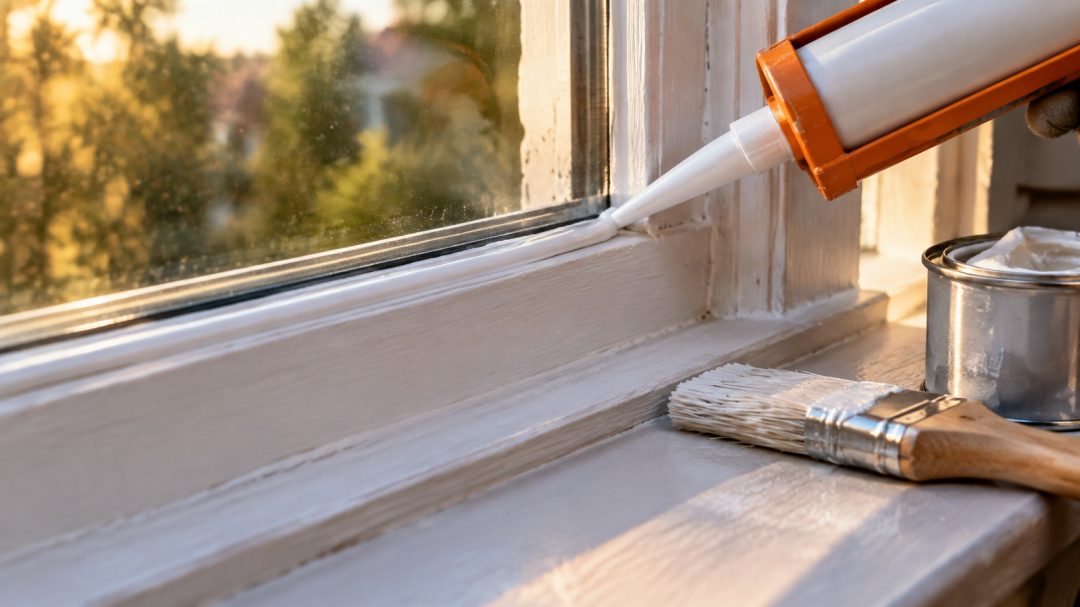
Wood frames need extra care. Apply exterior-grade paint or sealant every one to two years (more often in harsh climates), according to Perfect Windows and Siding. Refresh caulk every few years and inspect annually. Keeping moisture out is the key to extending the life of wood frames, which can last 50 or more years with consistent maintenance.
How to Strengthen and Protect Glass Windows
You can strengthen and protect glass windows through a few targeted upgrades that dramatically improve both safety and energy performance. Standard glass is more vulnerable than most homeowners realize, so addressing those weaknesses proactively reduces the risk of breakage and helps the window system perform more efficiently over time.
Managing Sun Exposure
Direct sunlight degrades window seals over time and fades interior furnishings. Security window film is a practical solution that does double duty. According to Meridian Window Tint, security film blocks 99% of UVA and UVB rays while also strengthening the glass itself.
Low-E coatings are another strong option. According to Window Gurus, Low-E coatings reduce energy loss by 30 to 50%, with a payback period of just three to five years. Adding one to double-pane glass costs only $30 to $50 extra per window, making it one of the best-value upgrades available for most home projects.
When to Clean: Timing and Frequency
Most homeowners should clean windows at least twice a year, ideally in spring and fall, because timing affects how well the cleaning holds up through seasonal weather changes. According to Bethany Associates, following that schedule keeps glass clearer and helps catch developing problems before they worsen.
Frequency also depends on where you live. Here is a general guide by location type:
- Coastal homes: Salt spray requires cleaning every two to four weeks.
- Urban homes: Pollution and grime build up every four to six weeks.
- Suburban and rural homes: Conditions typically allow six to eight weeks between sessions.
Never clean windows in direct, hot sunlight. Glass temperature rises quickly in sun exposure, causing cleaning solution to evaporate before you can remove it. That leaves behind mineral deposits and streaks. Cloudy days, early morning, or late afternoon are the best times to get the job done right.
Signs Your Windows Need Professional Attention
Some window problems signal that professional attention is needed, going well beyond what a good cleaning can fix. Catching these signs early makes it easier to address repairs before they become full replacements, saving both time and money in the long run.
Watch for these warning signs:
- Foggy glass between panes: This signals seal failure in double-pane windows. An insulated glass unit replacement costs $275 to $450, far less than a full window swap, according to Argo Window Repair.
- Cracked or damaged frames: A 2025 This Old House survey found 37% of homeowners who replaced windows cited cracked or broken frames as the primary reason.
- Rising energy bills: Unexplained increases in heating or cooling costs often point to failing window seals.
- Wood rot spreading: According to California Window, rot can progress to structural wall damage within one or two seasons if left unaddressed.
- Windows that stick or won’t lock: These are signs of frame warping or hardware failure that affect both security and function.
Conclusion
Keeping glass windows in good shape doesn’t require a lot of time or expensive products. Consistent cleaning, the right tools, and a little seasonal attention go a long way toward protecting your home and keeping energy costs manageable.
Knowing when to handle maintenance yourself and when to call in a professional is just as important as the cleaning routine itself. Catching small problems early, whether a failing seal or creeping rot, saves real money over time and keeps your windows working the way they should for years to come.
Frequently Asked Questions
How much does window glass replacement cost in the United States?
Glass-only replacement averages $375 nationally, with a typical range of $300 to $880 depending on glass type, size, and pane configuration, according to Fixr. Double-pane units average $529 per window and triple-pane units average $609 per window. Costs vary by region, so it’s worth confirming pricing with your local glass or hardware professional before starting your project.
Are there federal tax credits available for energy-efficient windows in the United States?
Yes. Homeowners can claim up to $600 in federal tax credits for qualifying ENERGY STAR windows under current program guidelines, according to HomeAdvisor. This credit applies to windows that meet specific energy performance ratings. Confirm eligibility with a tax professional and check that the product you choose carries the ENERGY STAR certification before purchasing.
Can you cut tempered glass yourself for a window replacement project?
No. Tempered glass cannot be cut, scored, drilled, or resized after the tempering process without shattering, according to WoodGuide. All cuts and holes must be made before the heat-treating step. If you need custom-sized tempered glass, a professional glazier or hardware retailer with glass cutting services is the right call. Always confirm material availability and service options with your local store before starting.
How does security window film compare to replacing glass entirely?
Security window film is a cost-effective alternative to full glass replacement. Standard glass breaks in one to two strikes with a blunt object, while film-treated glass requires ten or more strikes to breach, according to CoolVu. Film installs over existing glass with no structural changes needed. It’s a practical upgrade for homeowners who want stronger protection without the expense or disruption of a full window replacement.
How do I know if my window frames need replacement rather than just cleaning?
Frame material lifespan varies significantly. Fiberglass frames last 30 to 50 or more years, vinyl lasts 20 to 40 years, and wood lasts 15 to 30 years standard, according to Forshaws. If you notice warping, persistent moisture intrusion, or rot covering more than 10% of a sill, replacement is the smarter investment. A staff member at your local Rocky’s Ace Hardware can help you assess what materials and tools fit your specific project.