
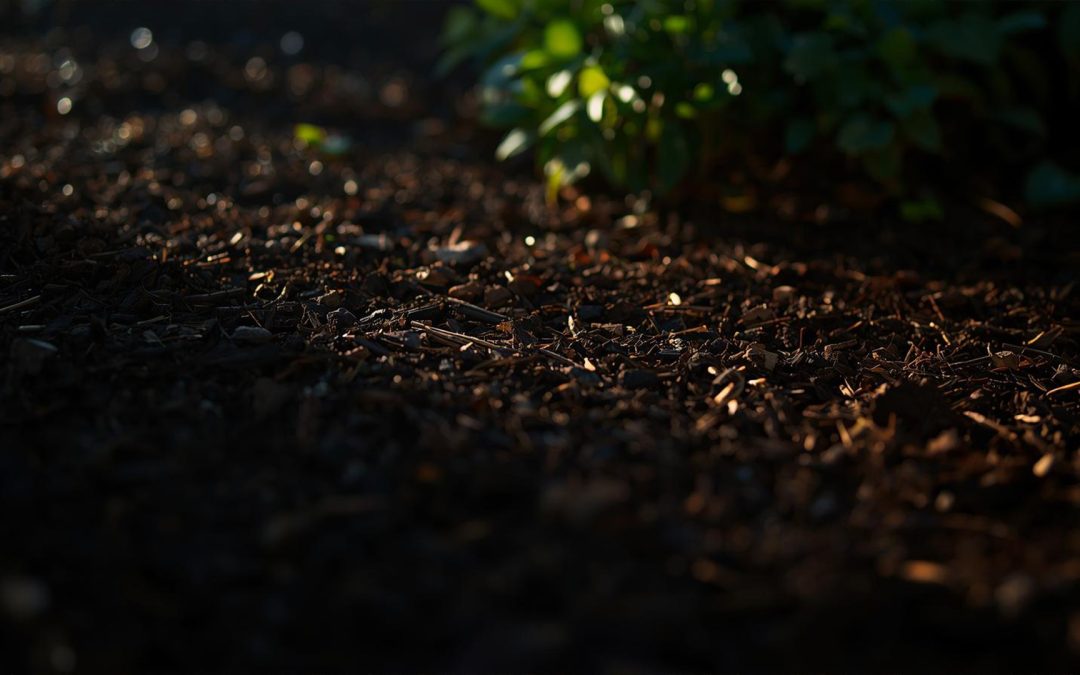
March Madness is all about brackets, crisp passes and clean finishes. Your yard can be, too. If your landscaping looks weak after winter, mulch is the fast break that makes everything look sharper in a weekend.
Mulch does more than block weeds. It helps hold moisture, cushions soil from temperature swings and gives beds a finished, winning look.
Ready to make your landscape look like it came from the highlight reel? Here is your Mulch Madness playbook, including a simple way to calculate how much mulch you need and a step-by-step method for crisp edges.
Why Mulch?
If you want the quickest visual upgrade for spring, mulching is one of the easiest “one-and-done” moves you can make.
Here’s what it brings to your lineup:
- Helps hold moisture, so you water less often once the heat arrives
- Reduces weeds by limiting sunlight to weed seeds
- Protects soil from wind and heavy rain that can crust or erode beds
- Keeps keep beds looking finished, so your yard looks intentional, not accidental
- Prevents soil from splashing onto plants, which can cut down on mess and stress for plants
When to Mulch
Wait until the soil warms a bit. Putting mulch down too early can trap cold in the bed and slow plant wake-up time.
A good rule of thumb: mulch after a stretch of milder weather when the ground is thawed, not soggy and starting to dry out between rain. You can absolutely get ahead of the game now with prep work that pays off later.
What You Can Do Now
- Measure beds
- Pull early weeds while they are small
- Cut clean edges, so mulching goes faster later
- Plan where you want new bed lines before you commit
How Much Mulch Do I Need?
Skip guesswork. You just need a quick calculation.
Step 1. Measure Your Beds
Measure each bed’s length x width to get sq. ft. If your bed is not a perfect rectangle, break it into smaller rectangles and add them up.
Step 2. Pick Your Depth
Most beds look great with two to three inches of mulch. Avoid piling it too deep. More is not always better.
- Two inches is a solid refresh for already-defined beds
- Three inches is helpful if you are battling weeds or starting fresh
Step 3. Use This Mulch Formula
- Square footage: Length (ft.) x Width (ft.) = sq. ft.
- Convert depth to feet: Depth (in.) ÷ 12 = Depth (ft.)
- Cubic feet needed: sq. ft. x Depth (ft.) = cu. ft.
If you are buying bagged mulch, divide by the bag size listed on the bag (often 2 cu. ft., but always check the label). If you are buying mulch by cubic yard, use: Total cu. ft. ÷ 27 = cu. yd.
Quick Example
A 20 ft. x 6 ft. bed at 3 in. deep:
- sq. ft.: 20 x 6 = 120 sq. ft.
- depth in feet: 3 ÷ 12 = 0.25 ft.
- cubic feet: 120 x 0.25 = 30 cu. ft.
- cubic yards: 30 ÷ 27 = 1.11 cu. yd.
How to Mulch
If you only do one “pro move,” make it this: edge first. A clean edge makes mulching, weeding and watering easier all season and ensures your landscape looks like it had a game plan.
The Sharp Bed Method
Step 1. Cut a Clean Border
Use a bed edger or edging spade to cut a crisp line where bed meets lawn. Follow the natural curve of your bed.
2. Pull Weeds Along the Line
Weeds love to hide right at the edge. Pull them now while they are small and the soil is softer.
3. Build a Tidy Trench Look
A slightly lower edge line creates definition and helps keep mulch in the bed, not in the grass.
4. Spread Mulch Evenly
Aim for two to three inches deep across the bed. Use a rake to level it out.
5. Keep Mulch Off Stems and Trunks
Leave a little breathing room around plant crowns and tree trunks. No mulch “volcanoes.” Your plants will thank you later.
6. Final Walk-Through
Look for thin spots, feather mulch away from hard edges and make sure you can still see your border line. That border is what makes the whole bed look intentional.
Mulch Madness Tool Kit
Jump start your yard with a quick trip to the Lawn & Garden department at your local Rocky’s Ace Hardware to get the tools you need for a winning landscape, as well as an expert assist from our pros if you need advice about what you need:
- Bed edger or edging spade to create clean lines
- Garden rake for leveling
- Gloves for grip and comfort
- Hand weeder for tight spots
- Wheelbarrow or bucket for moving mulch
- Hose nozzle for a light rinse if beds are dusty
- Mulch, available in a variety of colors and types to match your preferences
Mulch FAQs
Does mulch stop weeds completely?
Mulch helps reduce weeds, but it is not magic. It blocks light that helps weed seeds sprout, especially when you maintain a consistent two–three-inch layer. For a bonus defensive move, apply Preen® Garden Weed Preventer after you finish mulching to help prevent new weeds from germinating. Follow label directions for your bed type.
Can I mulch over weeds?
It’s better to pull weeds first, especially anything tall or established. Mulching overactive weeds often means they pop right back through, and you’ll be re-doing work mid-season.
Should I put landscape fabric under mulch?
In many garden beds, fabric can create more hassle over time because debris breaks down on top and weeds root into that layer. If you want a simple boost, a layer of plain cardboard under mulch can help in some areas, especially for new beds, as it breaks down naturally.
How often should I refresh mulch?
Many beds look best with a light top-off once a year. You may not need a full replacement, just a refresh to restore color and coverage.